
The Ocean Literacy Project:
Understanding the Ocean. Changing how we act.
We develop the understanding that enables better decisions.

Mission
We believe education is the foundation for change - especially when it connects to how decisions are made.
Our mission is to make ocean literacy as essential as climate literacy, embedding it in the places that shape society, from communities to governments and businesses.
By equipping people and organisations with the knowledge and confidence to act, we create a ripple effect of ocean-informed decisions across communities, business and policy.

What do we do?
The Ocean Literacy Project delivers certified training, executive briefings and courses that help individuals and organisations understand the importance of the ocean - and act on it.
Recognised by UNESCO-IOC as part of the Ocean Literacy Blue Thread network, our work supports the implementation of the Venice Declaration on Ocean Literacy.
Our approach combines science, systems thinking and applied learning - ensuring knowledge leads to confidence, and confidence leads to action.
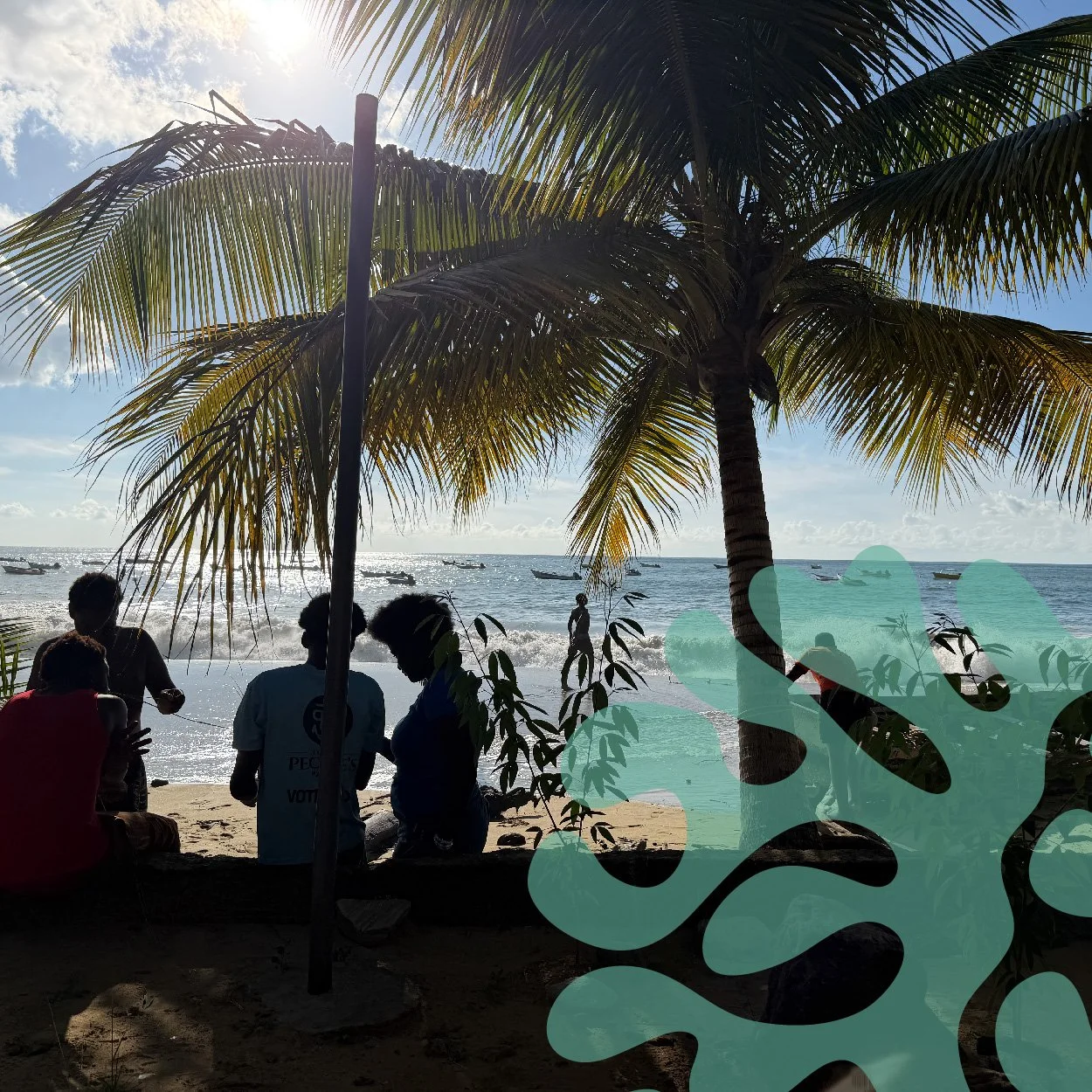
Why ocean literacy?
The Ocean absorbs vast amounts of heat and c.30% of the CO₂ we produce, it produces our half of oxygen through marine photosynthesis, regulates climate, supports biodiversity, food security and economic stability.
Despite this, decisions are being made without understanding the need for a healthy ocean.
Ocean literacy bridges this gap. It helps people and organisations understand their connection to the ocean, navigate complexity, and make more informed decisions.
Recognised by UNESCO-IOC as part of the global Ocean Literacy Blue Thread network
Courses and Training
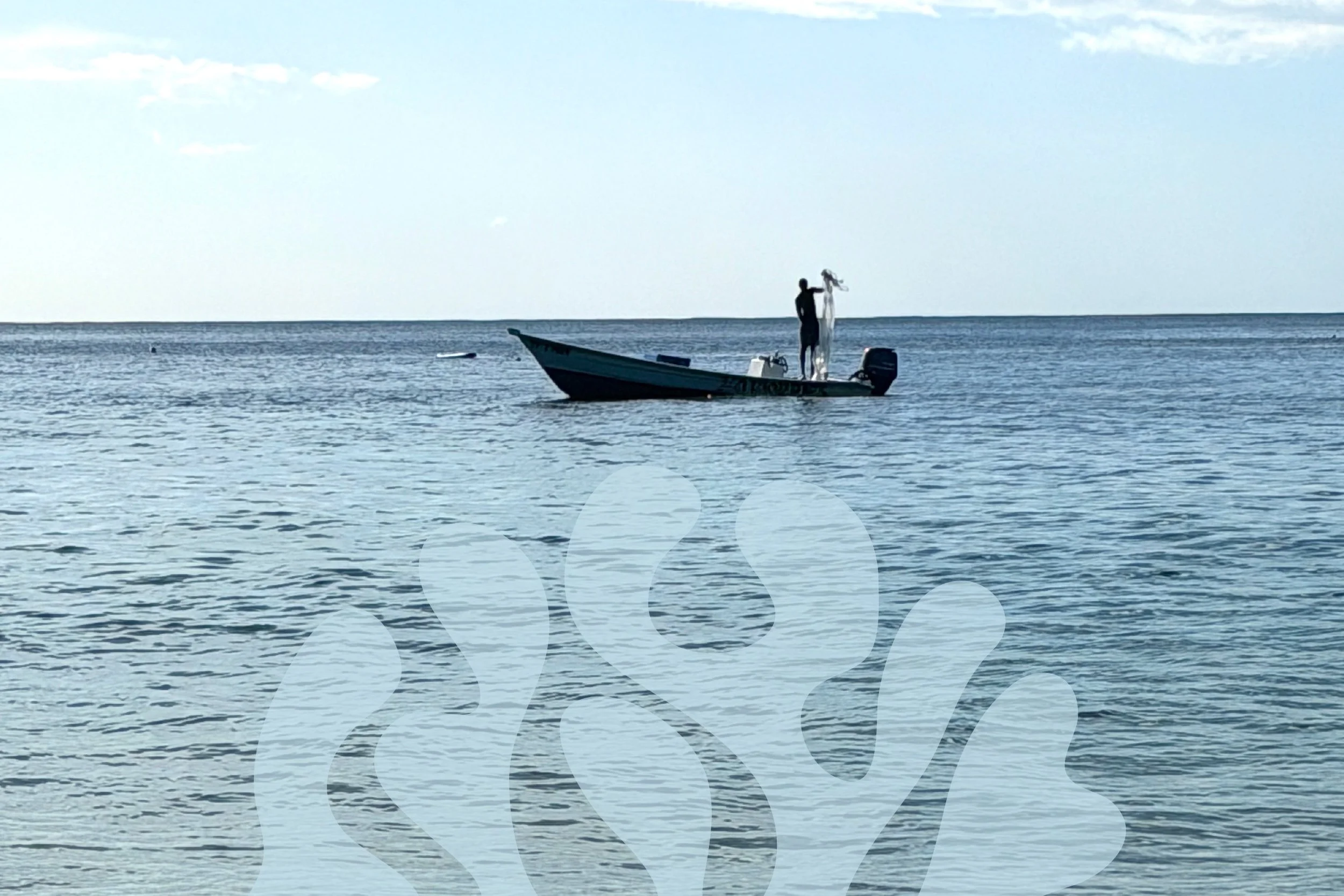
Ocean Literacy Certification
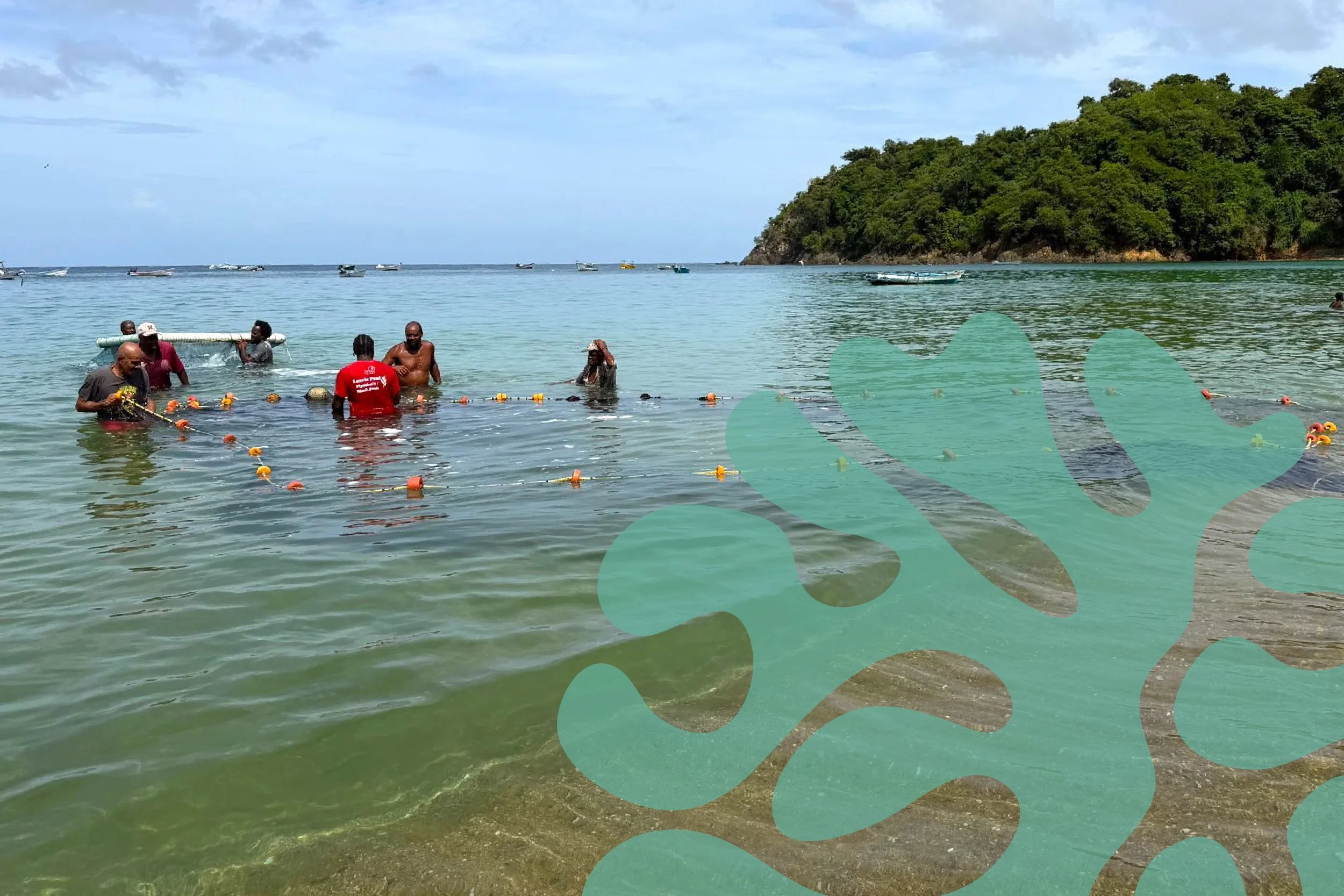
Place-Based Programmes
Executive Education
Ocean Literacy in action:
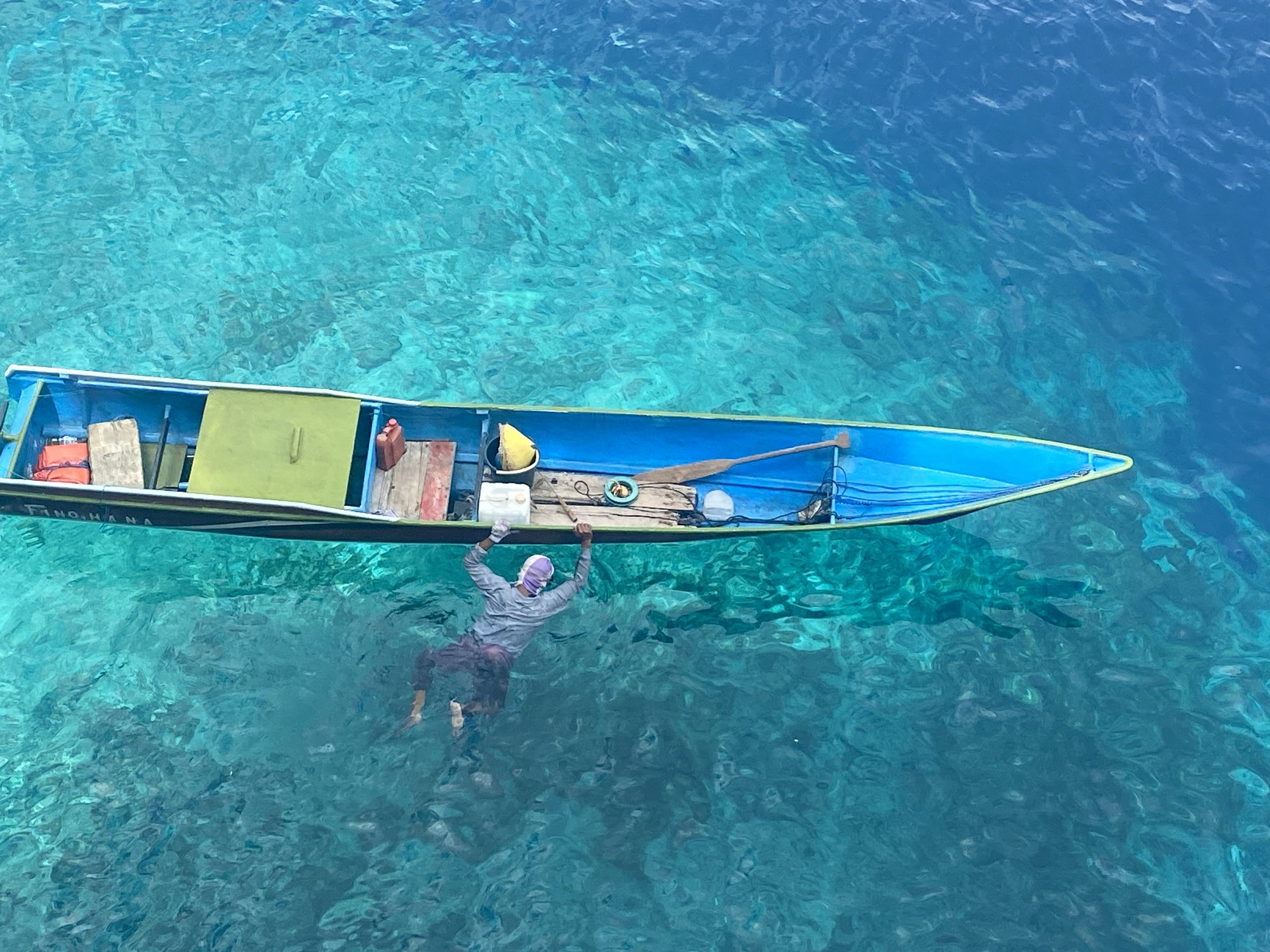
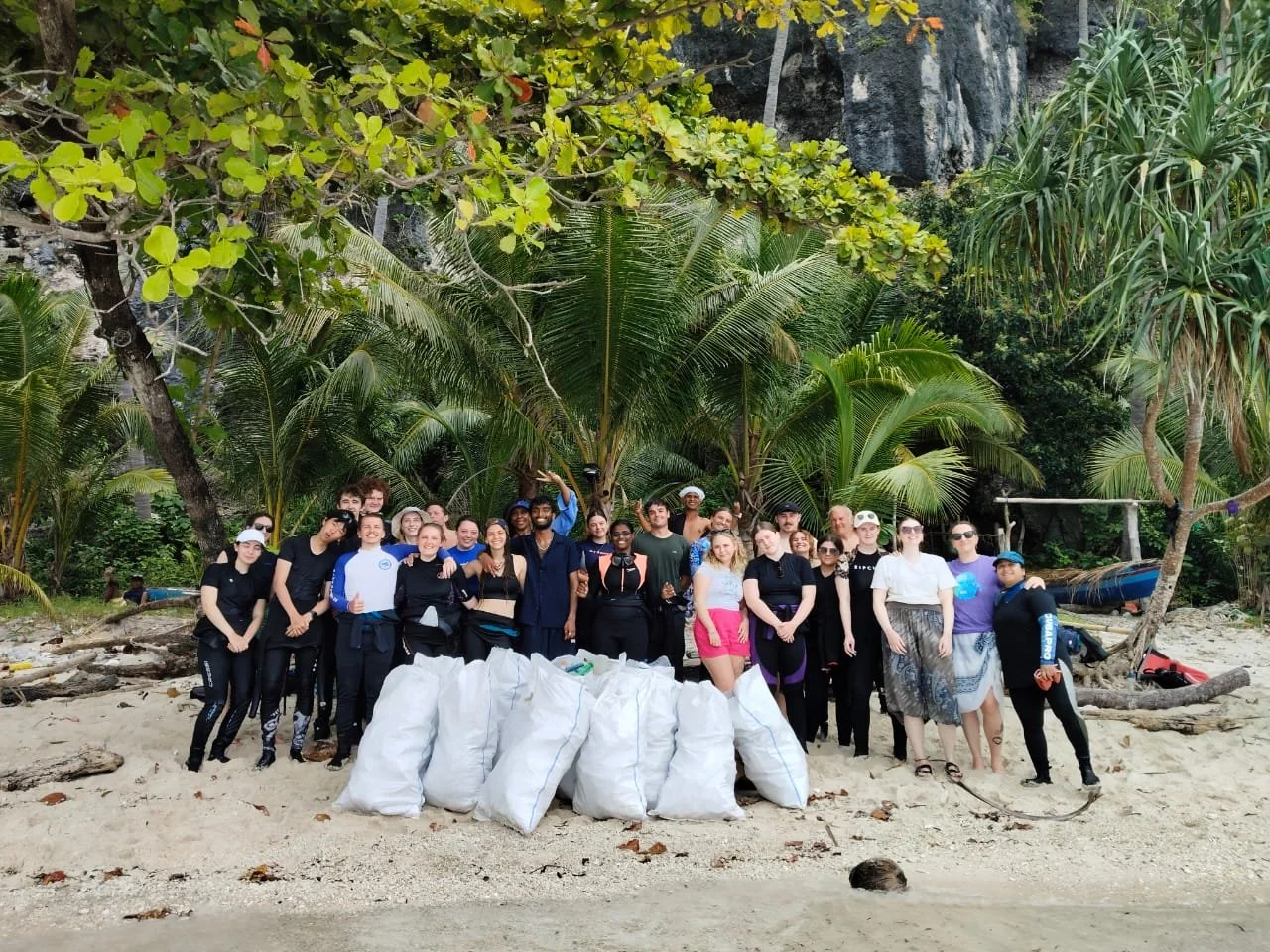
We work with communities, educators and organisations around the world to bring Ocean literacy to life through place-based learning, workshops and training.
From coastal communities to international partnerships, our work connects ocean science to everyday experience and local action.
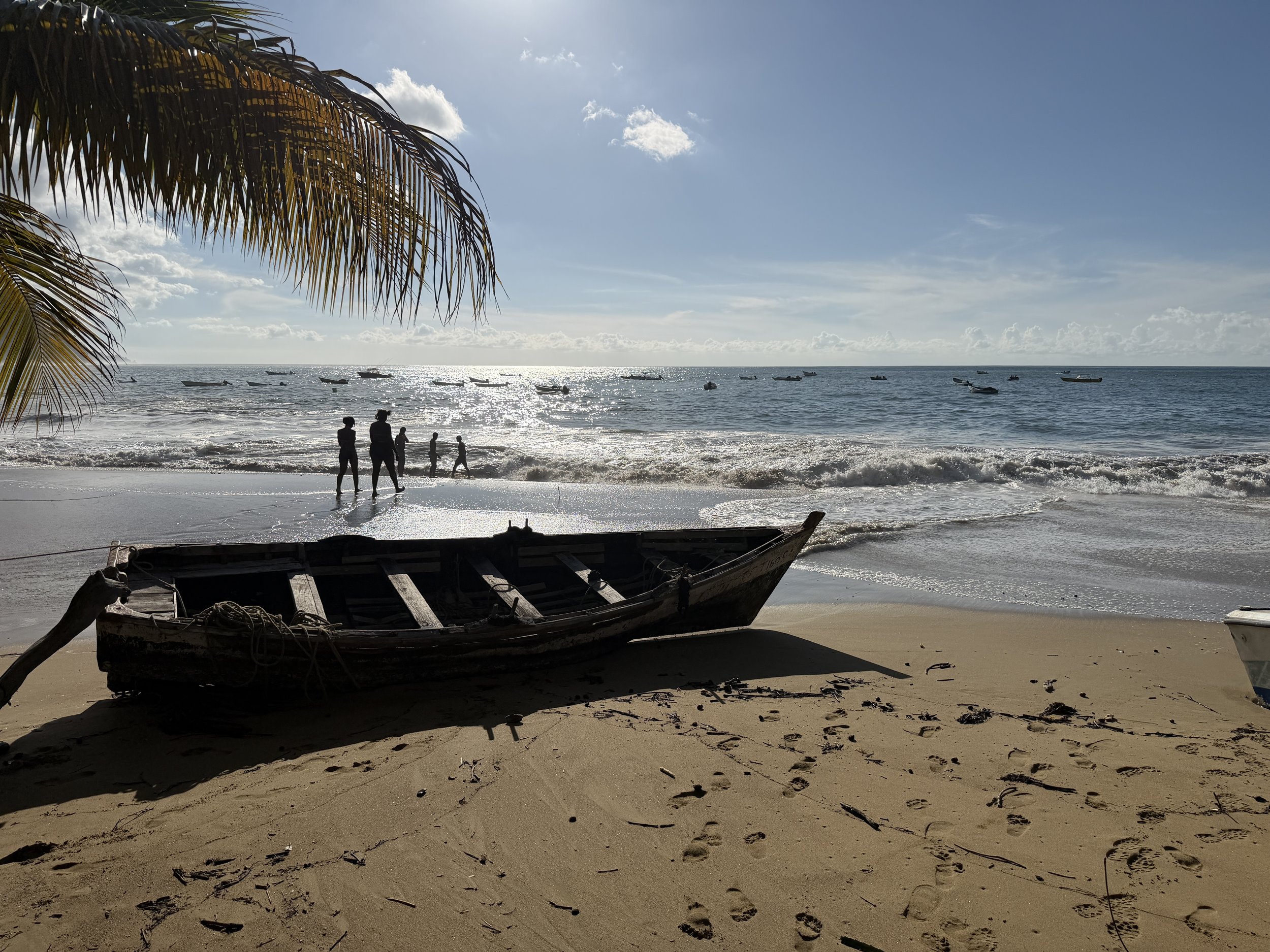
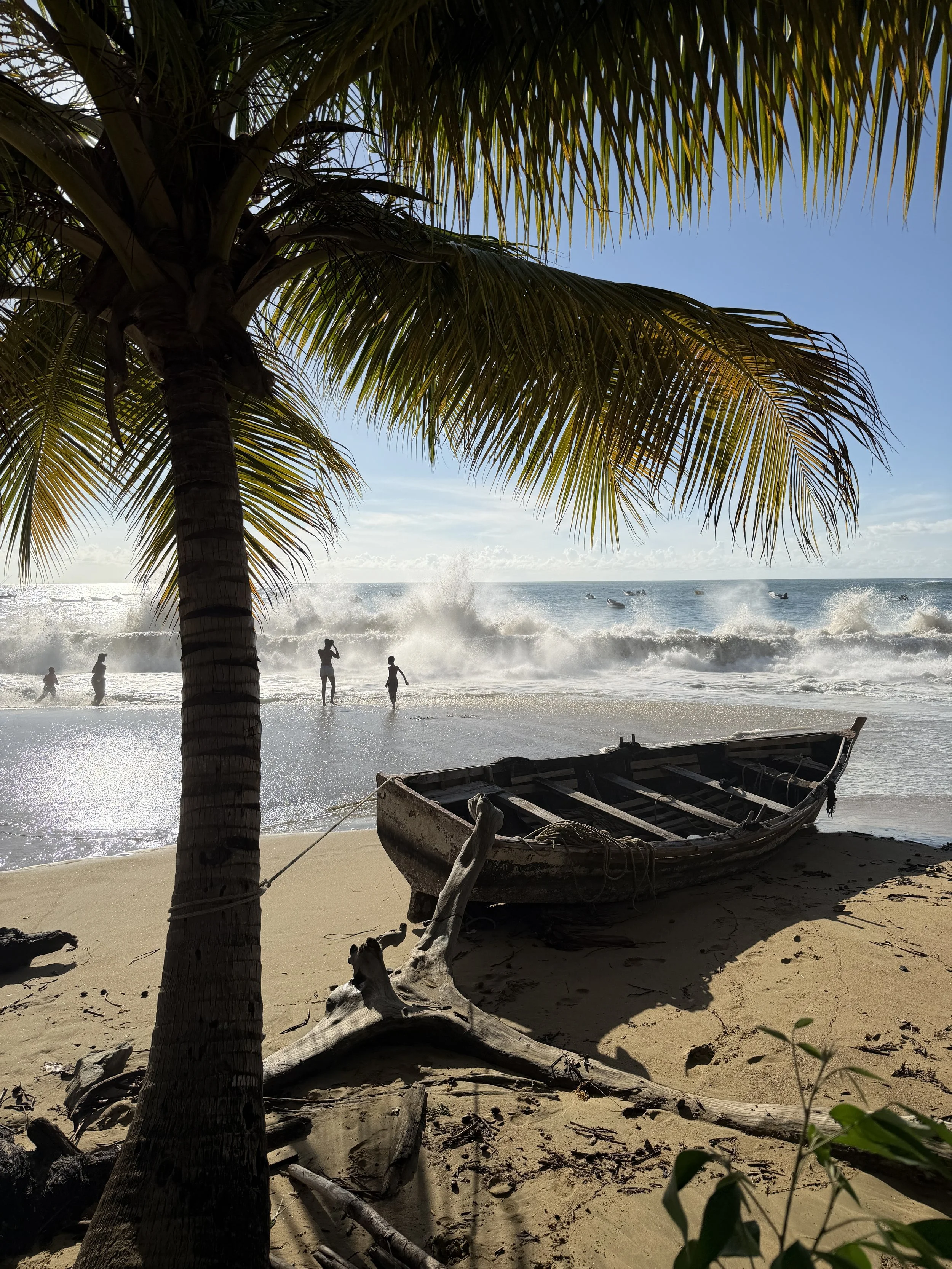
Environmental Research Institute & Castara Retreats, Tobago

Let’s explore how we can work together
Be part of a growing movement that translates ocean science into practical action and measurable impact across communities, organisations and decision-making.

Founder’s Story:
The Ocean Literacy Project was founded by Professor Leanne Hepburn, a marine scientist and educator with over twenty years’ experience working across science, education and sustainability.
Her work spans coral reef research, community resilience and interdisciplinary sustainability education across the Caribbean, Southeast Asia and the UK. As Professor of Education and Environment at the University of Essex, she led the development of the university’s first BSc Global Sustainability and directed research and education initiatives focused on regenerative approaches to growth.
Through the Ocean Literacy Project, she brings this experience into applied programmes that translate Ocean science into practical understanding, decision-making and action across communities, organisations and leadership.
For more about Leanne’s work, publications, and speaking engagements, visit her personal website.
